
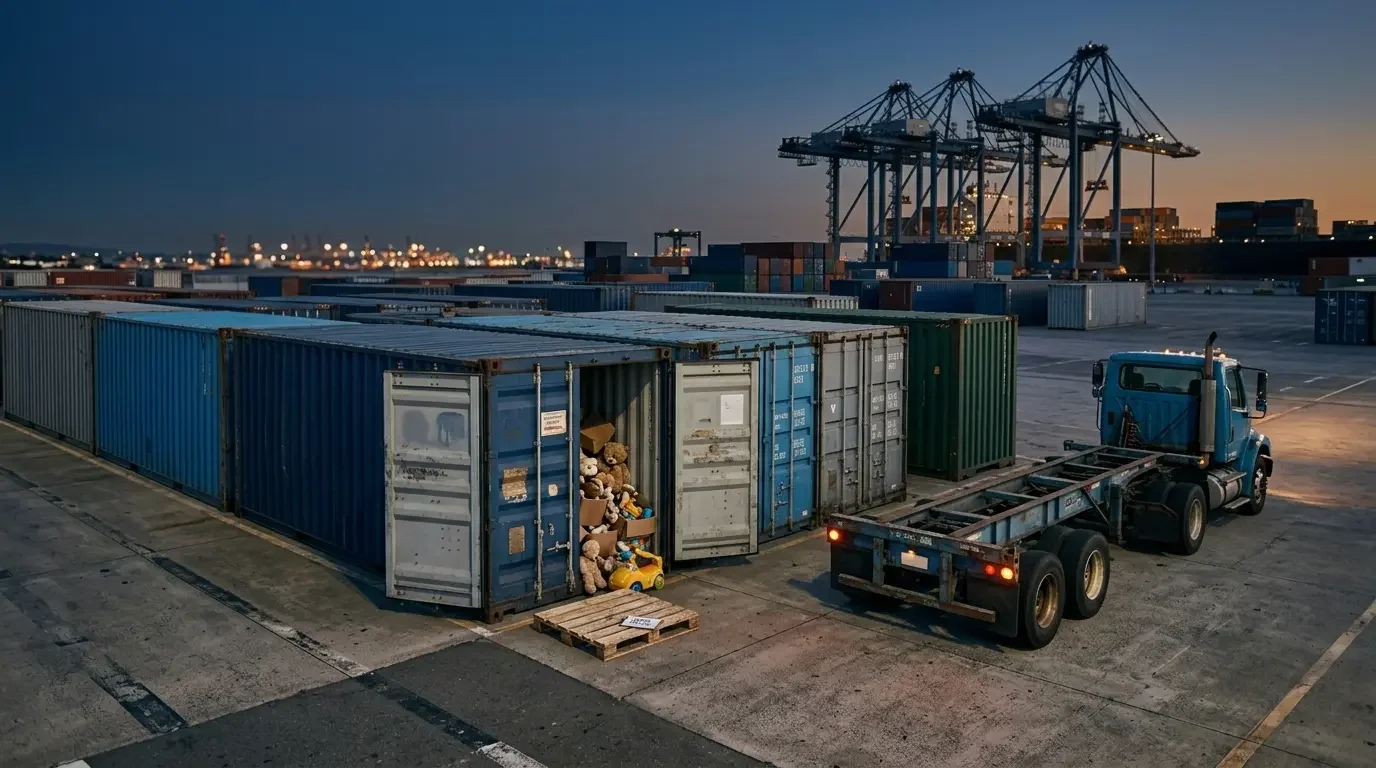
Every freight forwarder and NVOCC eventually has a container nobody wants. The consignee stops answering, the importer goes out of business, the buyer refuses the goods, or the cargo turns out to be worth less than the charges against it. The box sits at the terminal while demurrage, per diem, and storage keep growing.
The forwarder or carrier did not buy the cargo, but it is often the party left dealing with it. This guide covers how abandoned cargo moves through the customs system, who is responsible for the costs, and when destruction is the fastest way to close the file.
How Containers Become Abandoned
- The consignee goes out of business or cannot pay for the goods
- The buyer cancels the order after the cargo has shipped
- Freight charges or duties exceed the value of the cargo
- The cargo is damaged, spoiled, or no longer saleable
- A hold from FDA, CPSC, USDA, or another agency cannot be resolved
- The shipper and consignee are in a dispute and neither will act
What Happens Under Customs Rules
Imported merchandise generally has to be entered within 15 calendar days of arrival. If no entry is made, the cargo is sent to a general order warehouse, where storage charges begin. Merchandise that remains in general order for six months from the date of importation without charges being paid is treated as unclaimed and can be sold at public auction. Perishable goods and certain restricted goods move on much shorter timelines.
That sounds like the problem eventually resolves itself. In practice, it can take months, the charges continue to grow, and the carrier or forwarder may still be pursued for terminal, storage, and equipment costs in the meantime.
Who Pays
The answer depends on the contract terms, the bill of lading, and who arranged the shipment. Generally:
- The ocean carrier has claims for freight, demurrage, and per diem, and may hold a lien on the cargo
- The terminal and the general order warehouse have claims for storage and handling
- The forwarder or NVOCC may be liable to the carrier under its own contract and then has to recover from the shipper or consignee
- The shipper may remain liable if the consignee refuses the goods
When the shipper and consignee are both unreachable or insolvent, the costs often settle on whoever is left in the chain. Reducing those costs quickly becomes the main objective.
When Destruction Makes Sense
Destruction is not appropriate for every abandoned container. If the cargo has value and someone with authority can enter it or sell it, that may be a better outcome. Destruction makes sense when:
- The cargo has little or no resale value
- The cargo is perishable and is deteriorating
- The cargo cannot lawfully enter the United States
- The cost of clearing and selling would exceed what the goods would bring
- The carrier or forwarder needs the equipment back and the charges to stop
Authority Comes First
Before anything is destroyed, the party arranging destruction needs the legal right to dispose of the cargo and the approval of CBP for merchandise still under customs control. Destroying cargo without that authority can create claims from the cargo owner and problems with CBP. Confirm the position with your customs broker and legal counsel, and document the attempts made to contact the shipper and consignee.
How Abandoned Container Destruction Is Handled
- Review of the bill of lading, arrival notice, and custody status
- Coordination with the customs broker for any required CBP approval or supervision
- Drayage from the terminal or general order warehouse to the destruction facility
- Devanning, counting, and segregation of the cargo
- Destruction by the appropriate method, with recycling of recoverable materials where possible
- Return of the empty container to the carrier
- A Certificate of Destruction referencing the container number, bill of lading, and entry number where applicable
Documentation That Protects the Forwarder
Keep the bill of lading, the notices sent to the shipper and consignee, the CBP approvals, and the Certificate of Destruction together. If the cargo owner reappears later, that file shows what was done, when, and on what authority.
Close Out Abandoned Containers
At importdestruction.com, we work with forwarders, NVOCCs, carriers, and customs brokers to clear abandoned containers, return equipment, and document every step with a Certificate of Destruction.
Contact our team today to arrange abandoned container destruction at ports across the United States.